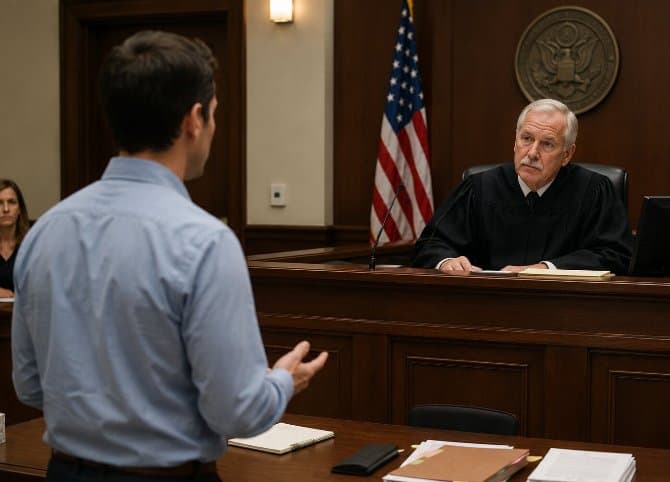
A wet reckless includes an alcohol admission and counts as a prior offense if the driver faces a DUI charge again later, while a dry reckless carries no such admission and does not follow the driver in the same way.
Both pleas keep a DUI conviction off the driver’s record, but the prosecutor decides which one is on the table based on the strength of the evidence, not the driver’s preference.
Wet reckless convictions also come with mandatory jail time and an alcohol program requirement that dry reckless convictions usually skip.
This article breaks down what actually separates the two, how each one affects a driver’s record and insurance rates, and why working with a defense attorney improves the odds of a favorable outcome either way.

What is a Dry Reckless Charge?
A dry reckless is a reckless driving conviction with zero reference to drugs or alcohol. The court treats it the same as any ordinary reckless driving ticket, such as one given for excessive speed or aggressive lane changes.
Prosecutors offer a dry reckless plea deal when the evidence in a DUI case is weak. Common reasons include a breath test that was not properly calibrated, a traffic stop that lacked probable cause, or blood alcohol results that came back below the legal limit despite an arrest.
Because a dry reckless conviction does not include an alcohol-related finding, it does not carry the same driver’s license or insurance consequences as a DUI. Many drivers see it as the best possible outcome short of a full case dismissal.
What is a Wet Reckless Charge?
A wet reckless is a reckless driving conviction that includes a factual admission that alcohol or drugs played a role in the driving. California law defines this specific charge under Vehicle Code Section 23103.5, and few other states use the exact same label.
Prosecutors typically offer a wet reckless when the DUI evidence is solid but the driver’s blood alcohol content sat close to the 0.08 legal limit, or when it is the driver’s first offense with no aggravating factors like an accident or a minor passenger.
The word “wet” refers to the alcohol admission built into the plea. This detail matters because it turns the conviction into a prior for sentencing purposes if the driver is arrested for DUI again within the state lookback period.
Key Differences Between Dry Reckless and Wet Reckless
The table below lays out the practical differences a driver will actually feel.
| Factor | Dry Reckless | Wet Reckless |
|---|---|---|
| Alcohol or drug admission | None | Yes, stated in the plea |
| Counts as a prior DUI later | No | Yes, within ten years in California |
| Mandatory jail time | None required | Minimum two days in county jail |
| Fine range | Around 250 dollars plus court fees | Same base fine plus an alcohol program requirement |
| License points | Two points | Two points |
| Alcohol education program | Not required | Required, typically three or nine months |
| Ignition interlock device | Not required | May be required depending on the county |
Both charges keep the word “DUI” off the driver’s criminal record. That single fact is why so many drivers accept either plea when offered.
Why Prosecutors Offer One Over the Other
Prosecutors do not let drivers pick between a dry reckless and a wet reckless on request. The offer depends on the strength of the state’s evidence.
A weak case, such as one with a broken breathalyzer or an officer who skipped required procedure, tends to produce a dry reckless offer.
A strong case with a borderline blood alcohol reading tends to produce a wet reckless offer instead, since the prosecutor still wants the alcohol fact on record.
Some California counties, including parts of Los Angeles and Orange County, rarely offer dry reckless deals at all. Local policy varies by county, so a driver’s defense attorney needs to know the specific court’s history with these pleas.
How a Reckless Driving Plea Affects Insurance
Both dry reckless and wet reckless convictions raise car insurance rates, though not as sharply as a full DUI conviction does.
Insurance companies in California can see reckless driving convictions on a driving record for ten years.
A wet reckless tends to raise premiums more than a dry reckless because some insurers specifically ask about alcohol related convictions on renewal applications. A driver who lies on that application risks a policy cancellation later.
Drivers should expect a rate increase in the range of 25 to 45 percent after either plea, based on typical high risk driver surcharges reported by state insurance regulators.
Conclusion
Dry reckless and wet reckless pleas both give drivers a way to avoid a DUI conviction, but they are not interchangeable.
The wet reckless carries an alcohol admission that follows the driver into future DUI cases, while the dry reckless does not.
Anyone facing this choice should talk to a DUI defense attorney before accepting either plea, since the details of the specific case determine which option is realistic.